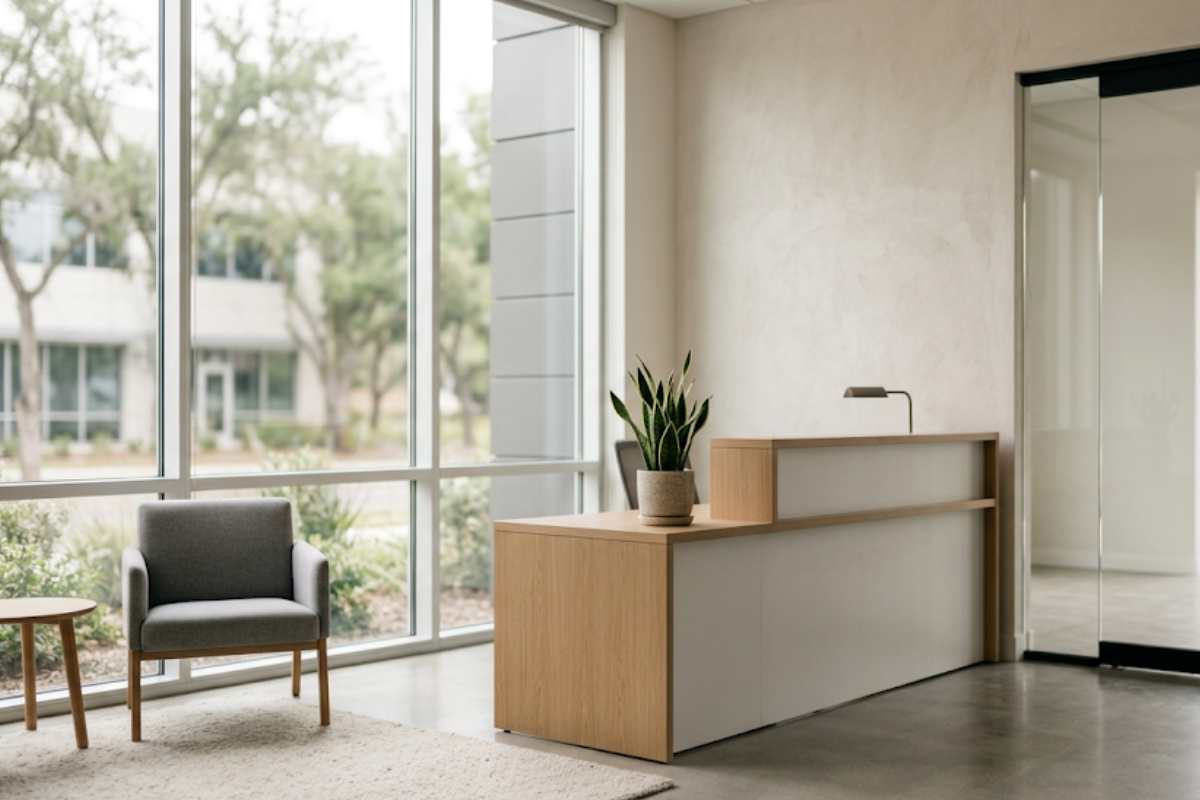
Overflowing trash cans, a layer of dust across the reception desk, and a growing list of complaints from employees or visiting clients are usually the first three signs that push a Tulsa business owner to start looking for outside help. When a workplace starts to look and smell like it hasn’t been properly touched in days, the problem rarely fixes itself with an extra trash bag or a rushed Friday afternoon wipe-down. This guide walks through the most common signs your business needs a cleaning service, what each one usually means, and what to do about it before it affects how employees work or how clients see your company.
Why a Dirty Workplace Costs More Than It Looks Like
Workplace cleanliness is not just about appearances. Federal sanitation standards require employers to keep workplaces clean to the extent the nature of the work allows, cover waste receptacles, and stock washing facilities, because a poorly maintained building can create real safety and health concerns for the people inside it every day. Beyond compliance, a facility that looks neglected sends a message to everyone who walks through the door, whether that is a new hire, a longtime employee, or a client sitting in your lobby for the first time. Small problems that go unaddressed for a few weeks tend to compound, turning a quick fix into a bigger cleanup job later.
Common Signs Your Business Needs a Cleaning Service
Most facilities do not go from clean to neglected overnight. It happens gradually, one missed detail at a time, until several small issues are happening at once. The table below covers the warning signs that come up most often in offices, schools, medical facilities, and other commercial spaces, along with what each one usually points to and a reasonable next step.
| Sign | What It Usually Means | Suggested Action |
|---|---|---|
| Overflowing trash cans or full bins | Pickup frequency is not keeping pace with foot traffic or staff size | Increase trash pickup frequency or add bins in high-traffic areas |
| Dusty vents, blinds, or surfaces | Regular dusting has fallen behind normal daily buildup | Schedule a thorough dusting pass across all surfaces and vents |
| Stained or matted carpet | Foot traffic and spills have gone unaddressed for a while | Have carpets professionally cleaned and inspected |
| Grimy or odorous restrooms | Daily restroom sanitizing and restocking is inconsistent | Move restrooms to a daily cleaning and stocking schedule |
| Visible dust on furniture and desks | The current cleaning scope may not reach every area at each visit | Review the cleaning scope and frequency with your provider |
| Employee or client complaints about cleanliness | The gap between expectation and reality has become noticeable to others | Request a facility walkthrough to identify cleanliness gaps |
Dust that resettles onto furniture within a day or two of cleaning often points to circulation issues as much as a missed dusting pass. Indoor air quality inside a building is shaped by ventilation, dust buildup, and how consistently surfaces are actually cleaned, not just how a room looks at first glance. If vents, blinds, or shelving stay dusty no matter how often someone runs a rag over the desks, it is worth a closer look at the overall cleaning routine rather than just the surface wipe-downs.
Which Sign Shows Up First Depends on Your Facility
The first noticeable sign often depends on the type of space and how it is used day to day. A few patterns tend to hold true across facility types:
- Offices: dust on desks, entrance floors, and conference room tables in shared spaces
- Church and religious facilities: buildup in high-occupancy rooms used only on certain days of the week
- Schools: restroom odor and trash volume tied to student traffic
- Medical offices: visible grime in waiting areas and high-touch surfaces
- Financial offices: dusty surfaces in lobbies and client-facing meeting rooms
- Retail, industrial, and other commercial or property-managed spaces: dirty entryways and common areas that get the heaviest foot traffic
The Employee and Client Impact You Might Be Missing
The effects of a neglected facility go beyond appearance. Air quality research from Harvard’s T.H. Chan School of Public Health found that higher indoor particulate levels were linked to measurable drops in cognitive performance among office workers, including slower response times on standard tests. Consistent hygiene practices around shared surfaces, restrooms, and common areas play a direct role in how healthy and alert a workforce stays through the week. Clients notice too. A grimy restroom or a dusty lobby table can shape someone’s impression of your business before a single word is exchanged, regardless of how good the actual product or service is.
Why Premier Janitorial Approaches Every Tulsa Facility Differently
Every building shows a different combination of the signs above, which is why Premier Janitorial starts with a Free Facility Assessment rather than assigning a standard package. The assessment is used to walk through a facility, note which specific signs are present, whether that is overflowing bins in a break room, dusty vents in a conference room, or restrooms that need daily attention, and build a service plan sized to what that particular building actually needs. As a family owned company serving Tulsa, Oklahoma, Premier Janitorial works to understand a facility before recommending anything, and we strive for excellence by handling that process with professionalism from the first walkthrough on.
Staying Ahead of the Signs Between Visits
Between scheduled cleanings, small daily habits make a noticeable difference. Our post on office maintenance covers simple routines employees can use to keep entrances, kitchens, and shared spaces in better shape from one visit to the next. Industry groups such as ISSA also publish cleaning standards that many commercial facilities use as a benchmark for how clean is clean enough, which can be a useful reference point when comparing your building against what is typical for its size and use.
What To Do If You Recognize These Signs
The simplest rule of thumb is this: one sign on its own is worth keeping an eye on, but two or more happening at the same time usually means the current cleaning routine, in-house or outsourced, is not keeping pace with the building anymore. Tulsa, Oklahoma businesses that catch this early tend to spend less fixing the problem than those that wait until a client or employee brings it up first. If any of the signs described above sound like your facility, reach out to talk through what a right-sized cleaning plan could look like for your building.
If any of the signs above sound familiar, Schedule Your Free Facility Assessment and get a clear picture of what your building needs and how often.
Frequently Asked Questions
How often should a business be professionally cleaned?
Frequency depends on foot traffic, facility type, and industry requirements, but most offices benefit from cleaning at least a few times per week, while high-traffic spaces like medical offices or schools often need daily attention. Facilities with lower traffic, such as small offices with few visitors, may be able to space out visits further. The right frequency is the one that keeps restrooms, entrances, and common areas consistently presentable between visits.
What does a typical commercial cleaning service include?
Commercial cleaning generally covers entrances, offices, conference rooms, kitchens, restrooms, and other shared or open spaces. The exact scope varies by facility type and provider, so it is worth confirming which areas and tasks are included before service begins. Facilities with specialized needs, such as medical or educational settings, may require additional attention in specific areas.
How does a dirty office affect employee productivity?
A neglected workplace can contribute to lower focus, more sick days, and reduced morale, particularly when air quality or high-touch surfaces are affected. Studies on indoor environments have linked poor air quality to measurable declines in cognitive performance among workers. Employees also tend to notice and react to a visibly unclean environment, which can affect how they feel about coming to work.
How much does commercial cleaning cost?
Cost depends on the size of the facility, how often it is cleaned, and the scope of work involved, so prices vary widely between businesses. A walkthrough or assessment of the specific space is typically needed to give an accurate estimate. Comparing quotes based on the same scope of work is the most reliable way to judge value.
What are common signs that an office needs a deeper cleaning?
Common warning signs include overflowing trash, dusty surfaces and vents, stained carpet, odorous or grimy restrooms, and complaints from employees or clients about cleanliness. When several of these appear at once, it usually signals that the current cleaning schedule or scope is no longer matching how the space is being used. Catching these signs early typically means a smaller fix than waiting until they become obvious to visitors.