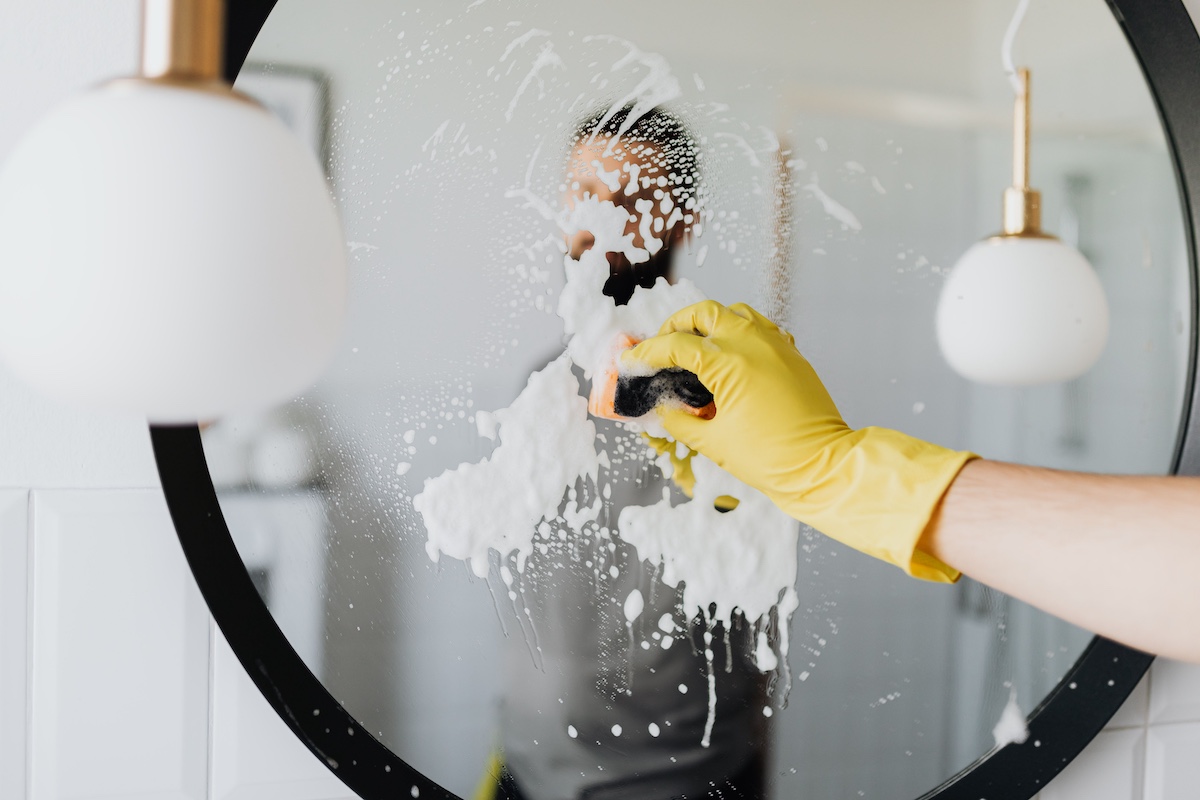
Maintaining a clean medical office is about much more than creating a positive first impression. In healthcare settings, cleanliness plays a critical role in patient safety, infection prevention, regulatory compliance, and overall quality of care. Every surface, waiting room chair, exam table, and restroom contributes to the health and well-being of patients, visitors, and staff.
Unlike traditional office environments, medical facilities require specialized cleaning procedures that go beyond basic janitorial services. From reducing the spread of harmful bacteria and viruses to properly disinfecting high-touch surfaces, medical office cleaning demands consistency, attention to detail, and industry-specific expertise.
Whether you manage a physician’s office, dental practice, outpatient clinic, urgent care center, or specialty healthcare facility, following these medical office cleaning best practices can help create a healthier, safer environment for everyone who walks through your doors.
Why Medical Office Cleaning Is Different
Healthcare facilities experience significantly higher traffic than many commercial buildings, with patients of all ages and health conditions moving through waiting rooms, exam rooms, and common areas throughout the day.
Medical offices must address challenges such as:
- Preventing cross-contamination
- Reducing the spread of infectious diseases
- Maintaining patient confidence
- Meeting healthcare cleanliness standards
- Protecting vulnerable populations
- Creating a welcoming and professional environment
Because of these responsibilities, medical offices require cleaning protocols that are more thorough and more frequent than those used in traditional workplaces.
Prioritize High-Touch Surface Disinfection
One of the most important aspects of medical office cleaning is regularly disinfecting high-touch surfaces. These are areas that patients, visitors, and staff touch repeatedly throughout the day, making them common locations for the spread of germs.
Common high-touch surfaces include:
- Door handles and push plates
- Reception counters
- Check-in kiosks
- Waiting room chairs
- Light switches
- Elevator buttons
- Handrails
- Exam tables
- Medical equipment exteriors
- Restroom fixtures
These surfaces should be disinfected multiple times throughout the day using products that are appropriate for healthcare environments.
Professional cleaning companies understand which disinfectants are suitable for various surfaces and follow recommended dwell times to ensure effective sanitation.
Develop a Consistent Cleaning Schedule
Consistency is one of the biggest factors in maintaining a clean healthcare environment. Rather than relying solely on end-of-day cleaning, many medical offices benefit from cleaning schedules that include service throughout operating hours.
A comprehensive cleaning schedule may include:
Daily Tasks
- Empty trash receptacles
- Sanitize restrooms
- Vacuum and mop floors
- Clean waiting rooms
- Disinfect high-touch surfaces
- Restock restroom supplies
Weekly Tasks
- Deep clean flooring
- Dust vents and high surfaces
- Clean windows and glass partitions
- Sanitize employee breakrooms
- Wipe walls and baseboards
Monthly or Quarterly Tasks
- Carpet extraction
- Floor stripping and waxing
- Upholstery cleaning
- High dusting
- HVAC vent cleaning
A customized cleaning schedule helps ensure no area is overlooked while keeping the facility consistently clean.
Focus on Waiting Areas
The waiting room is often the first area patients encounter, making it one of the most important spaces to maintain. Best practices include:
- Disinfect seating throughout the day
- Clean children’s play areas frequently
- Wipe down tables and magazines holders
- Vacuum carpets daily
- Remove fingerprints from glass doors
- Empty trash regularly
A clean waiting room helps reassure patients that your practice values cleanliness and attention to detail before they even enter an exam room.
Maintain Spotless Exam Rooms
Exam rooms require the highest level of cleaning because they are where patients receive care. After each patient, staff should follow established clinical protocols for cleaning patient-care surfaces. In addition, professional janitorial teams play an important role in maintaining the overall cleanliness of exam rooms outside of patient turnover.
This includes:
- Cleaning floors thoroughly
- Dusting furniture and fixtures
- Sanitizing sinks and countertops
- Cleaning cabinets and exterior storage areas
- Removing trash
- Disinfecting non-clinical high-touch surfaces
Working together, clinical staff and professional cleaning teams help maintain a consistently clean care environment.
Don’t Overlook Restrooms
Healthcare facility restrooms receive heavy use throughout the day and require frequent attention. Medical restroom cleaning should include:
- Thorough fixture disinfection
- Cleaning mirrors and partitions
- Sanitizing door handles
- Mopping floors with disinfectant
- Refilling soap and paper products
- Addressing odors immediately
Clean restrooms help reduce germ transmission while improving the overall patient experience.
Improve Indoor Air Quality
Clean air contributes to healthier indoor environments, especially for patients with respiratory illnesses or compromised immune systems. Medical offices can improve air quality by:
- Replacing HVAC filters regularly
- Dusting vents and air returns
- Vacuuming with HEPA-filter equipment
- Reducing dust buildup on furniture
- Cleaning upholstery regularly
- Monitoring humidity levels
Professional cleaning companies often use commercial-grade equipment designed to capture fine particles that ordinary vacuums may leave behind.
Use Proper Cleaning Products
Not every cleaning product is appropriate for healthcare settings. Medical offices should use products that:
- Effectively disinfect common pathogens
- Are appropriate for healthcare environments
- Are compatible with medical equipment and surfaces
- Are used according to manufacturer instructions
Professional janitorial companies stay informed about recommended cleaning products and proper application techniques, helping facilities maintain high sanitation standards.

Prevent Cross-Contamination
Preventing cross-contamination is essential in any healthcare setting. Best practices include:
- Using color-coded microfiber cloths
- Changing mop heads regularly
- Cleaning from cleaner areas toward dirtier areas
- Using separate supplies for restrooms
- Properly disposing of waste
- Washing reusable cleaning materials appropriately
Professional cleaning staff receive training on procedures that minimize the spread of contaminants throughout the facility.
Support Employee Health
Medical office cleaning benefits employees just as much as patients. A cleaner workplace can help:
- Reduce workplace illness
- Improve employee morale
- Lower absenteeism
- Create a more pleasant work environment
- Increase productivity
Healthcare professionals spend long hours caring for patients. A clean workplace supports their health while helping them focus on providing exceptional care.
Protect Your Facility’s Investment
Medical offices contain expensive flooring, furniture, cabinetry, and equipment. Routine professional cleaning helps extend the life of:
- Carpet
- Vinyl flooring
- Tile and grout
- Upholstered seating
- Reception furniture
- Fixtures
- Waiting room furnishings
Preventative maintenance often reduces the need for costly repairs or premature replacements.
Customize Cleaning for Your Practice
Every healthcare facility has different cleaning needs depending on its size, specialty, and patient volume. A customized cleaning plan ensures that every area of your facility receives the appropriate level of attention without paying for unnecessary services. As your practice grows or your patient volume changes, your cleaning schedule can also be adjusted to continue meeting your needs efficiently.
For example:
Family Practice
May prioritize waiting room sanitation, exam room cleaning, and restroom maintenance throughout the day. Regular disinfecting of shared spaces helps minimize the spread of common illnesses, especially during cold, flu, and allergy seasons.
Dental Offices
Often require frequent disinfecting of reception areas, operatories, and shared patient spaces. Dental offices also benefit from regular cleaning of administrative areas, staff breakrooms, and restrooms to maintain a polished appearance throughout the entire practice.
Urgent Care Centers
Benefit from multiple daily cleaning visits due to higher patient turnover. Because these facilities often treat patients with contagious illnesses and unexpected medical needs, cleaning schedules may need to be adjusted throughout the day based on patient volume.
Specialty Clinics
May require customized cleaning schedules around patient appointments or sensitive equipment. Facilities such as physical therapy clinics, imaging centers, or specialty treatment offices often have unique layouts and equipment that require careful cleaning procedures.
Working with a professional janitorial company allows practices to develop cleaning plans that fit their specific workflow and operational needs.
Why Partner with a Professional Medical Cleaning Company?
Healthcare facilities face unique cleaning challenges that require experience, consistency, and attention to detail. Professional cleaning companies provide:
- Trained cleaning personnel
- Consistent quality control
- Flexible scheduling
- Commercial-grade equipment
- Industry-appropriate cleaning methods
- Customized service plans
Rather than asking healthcare staff to manage extensive cleaning responsibilities, outsourcing janitorial services allows medical professionals to focus on patient care while maintaining a clean, welcoming environment.
Build Patient Confidence Through Cleanliness
Patients notice cleanliness. From the moment they walk through the front door until they leave their appointment, the condition of your facility influences their perception of your practice.
A consistently clean office demonstrates professionalism, attention to detail, and a commitment to patient well-being. It can also contribute to positive online reviews, patient retention, and referrals—all of which support the long-term success of your practice.
Partner with a Team You Can Trust
At Premier Janitorial, we understand that healthcare facilities require a higher standard of cleanliness. Our experienced team provides customized medical office cleaning services designed to support patient safety, maintain a professional environment, and meet the unique needs of healthcare practices.
Whether you operate a physician’s office, dental practice, outpatient clinic, or specialty medical facility, we’re committed to delivering reliable, detail-oriented cleaning solutions that help your staff focus on what matters most—providing exceptional patient care.
Is your healthcare facility meeting the cleaning standards patients expect? Premier Janitorial offers customized medical cleaning solutions built around your practice’s needs.
Frequently Asked Questions
Why does medical office cleaning require different protocols than a typical office?
Medical facilities must prevent cross-contamination, reduce the spread of infectious diseases, and protect vulnerable populations, which requires more thorough and frequent cleaning than traditional workplaces.
What are the most important high-touch surfaces in a medical office?
Common high-touch surfaces include door handles, reception counters, check-in kiosks, waiting room chairs, light switches, handrails, and exam tables, which should be disinfected multiple times a day.
How can a medical office prevent cross-contamination?
Best practices include using color-coded microfiber cloths, changing mop heads regularly, cleaning from cleaner areas toward dirtier areas, and using separate supplies for restrooms.
What should be included in a healthcare facility’s daily cleaning tasks?
Daily tasks typically include emptying trash, sanitizing restrooms, vacuuming and mopping floors, cleaning waiting rooms, and disinfecting high-touch surfaces.
How does indoor air quality affect a medical office?
Clean air is especially important for patients with respiratory illnesses or compromised immune systems, and can be supported by replacing HVAC filters regularly and vacuuming with HEPA-filter equipment.